From the first visit to the first income
A woman leaving a broken marriage needs many things at once. Our work is shaped around her, not around a single programme.
How we work
Every woman moves through the same four steps. The help in each step depends on what she needs.
Identify
We find women who have suffered a dysfunctional marriage, going village to village and door to door to reach those who would never reach us.
Counsel
We offer counselling to women experiencing depression or stress because of a broken marriage, so they can recover their confidence and decide what comes next.
Train
We train women in skills chosen around their own interests, from tailoring to embroidery, so they can earn their own living.
Rehabilitate
We rescue and rehabilitate women from difficult situations, with immediate assistance first and long-term support after.
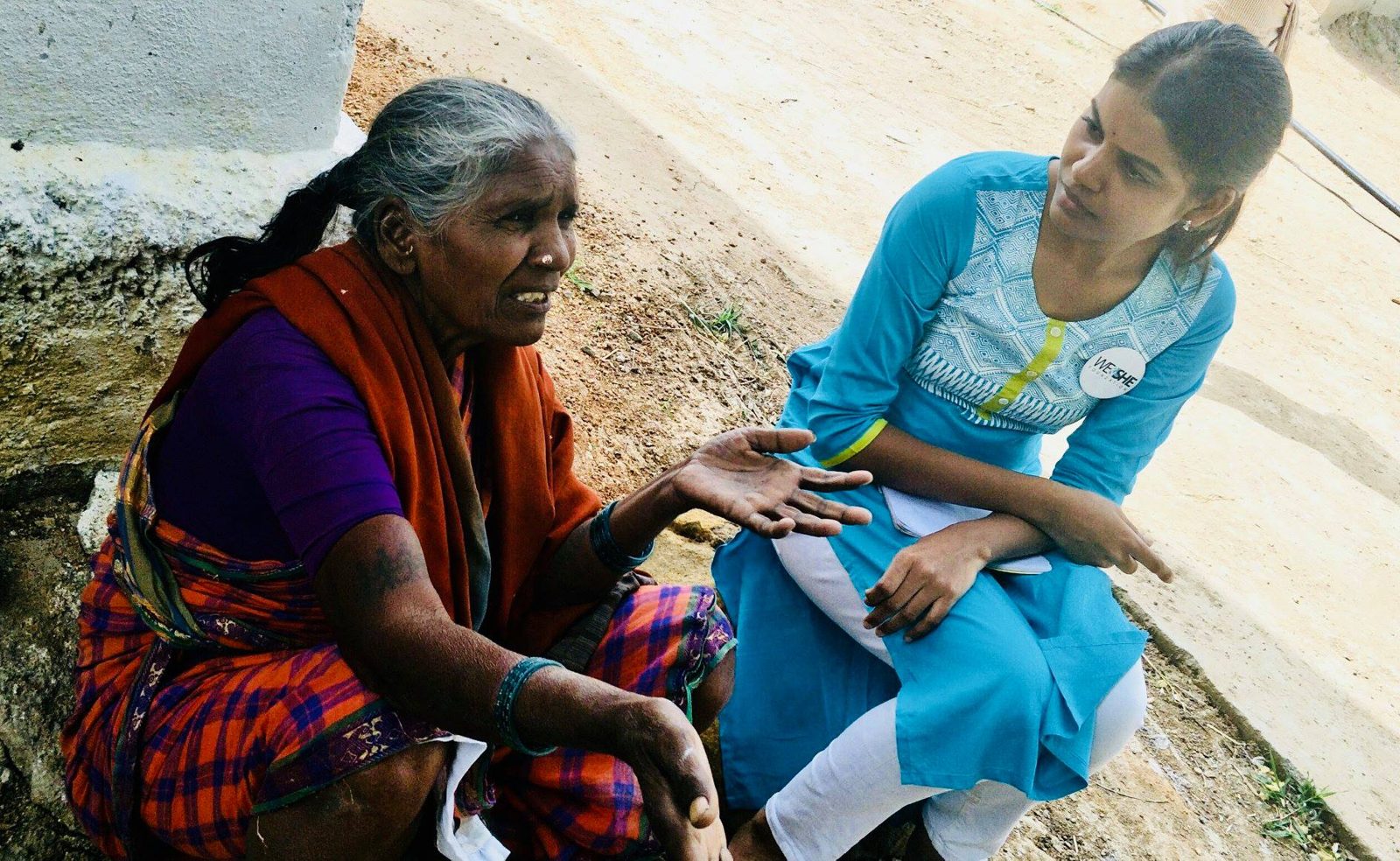
Counselling and support
Someone who listens, without judgement.
We offer counselling to women experiencing depression or stress because of a broken marriage. Women who leave a marriage are often blamed for it by their families and villages. Counselling gives them a safe place to grieve, recover their confidence and rebuild their lives, and we also counsel families to accept and support the women coming home.
- SDG 3: Good health and well-being
- SDG 5: Gender equality
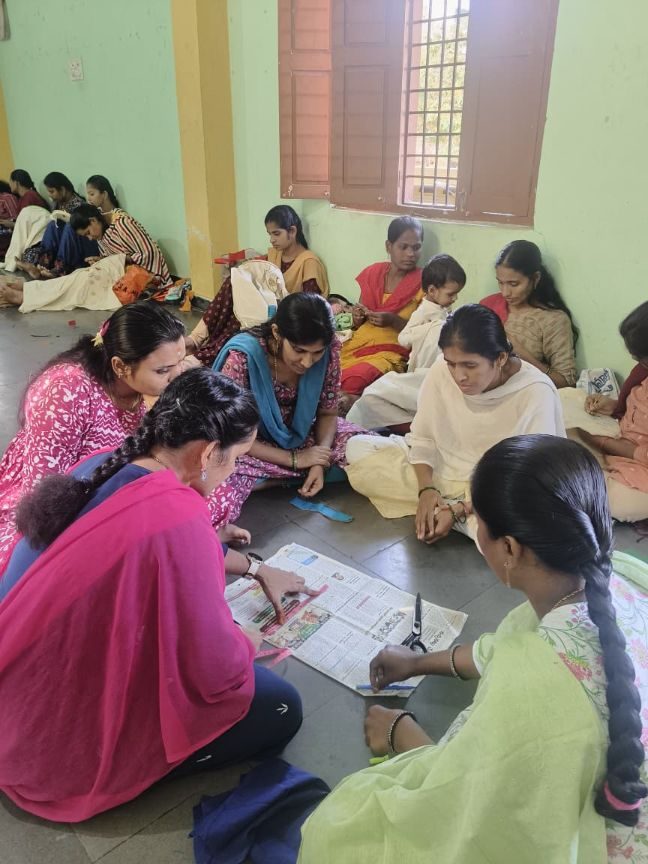
Skill development and training
Training that leads to an income of her own.
Women are trained in skills based on their own interests, so they can become financially independent and self-reliant. In October 2025 we opened our first skill centre in Ramanthapur, Hyderabad, with free three-month certificate courses in tailoring and maggam embroidery.
- SDG 1: No poverty
- SDG 5: Gender equality
- SDG 8: Decent work and economic growth
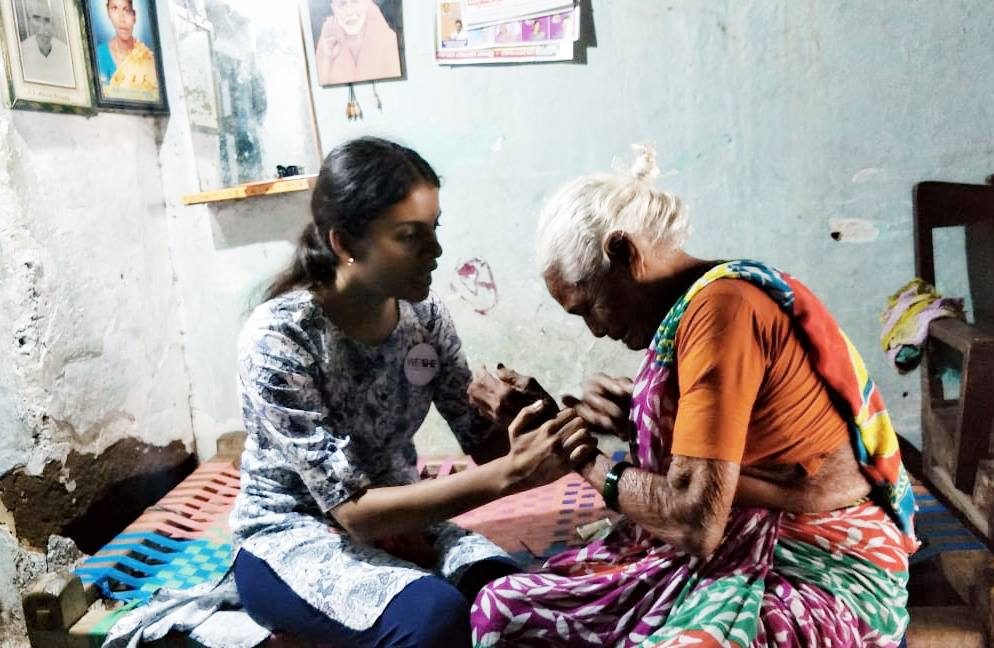
Rescue and rehabilitation
Immediate help, then support for the long road.
We rescue and rehabilitate women from difficult situations, including domestic violence and forced marriages. We provide immediate assistance, such as shelter, food and medical care, and long-term support to help each woman start anew. During the COVID-19 pandemic we received many calls from women facing violence at home.
- SDG 1: No poverty
- SDG 5: Gender equality
- SDG 16: Peace, justice and strong institutions
Legal awareness and aid
Know your rights, and get help using them.
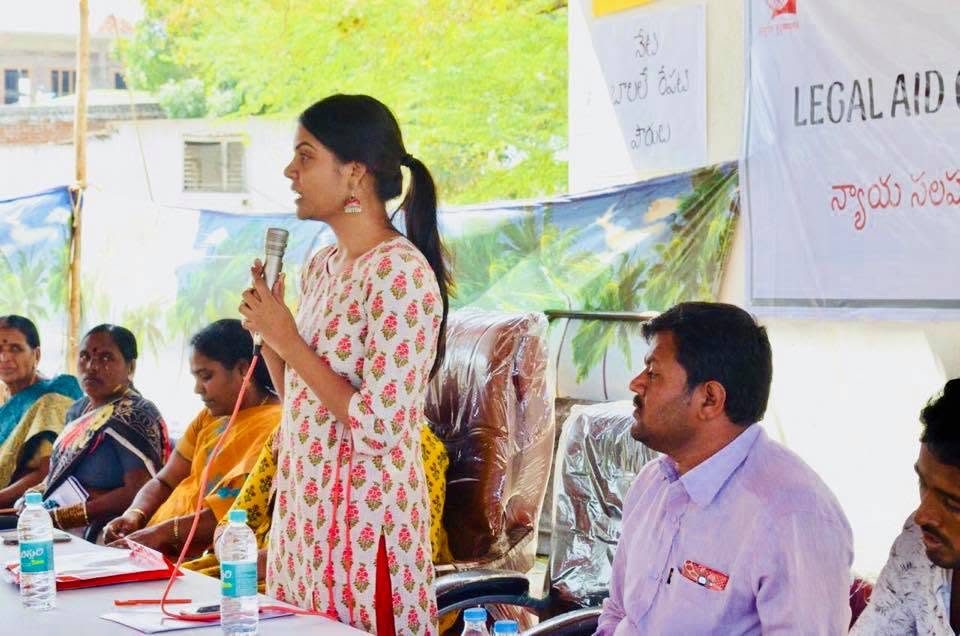
Most women in rural areas have never been told what the law guarantees them. With the Legal Aid Centre of Symbiosis Law School, Hyderabad, we run village legal awareness camps on domestic violence, maintenance, alcoholism and the welfare schemes women can claim, and we connect women with free legal help. Our legal advisors are practising advocates.
- SDG 5: Gender equality
- SDG 16: Peace, justice and strong institutions
Community engagement
Solutions shaped by the women who need them.
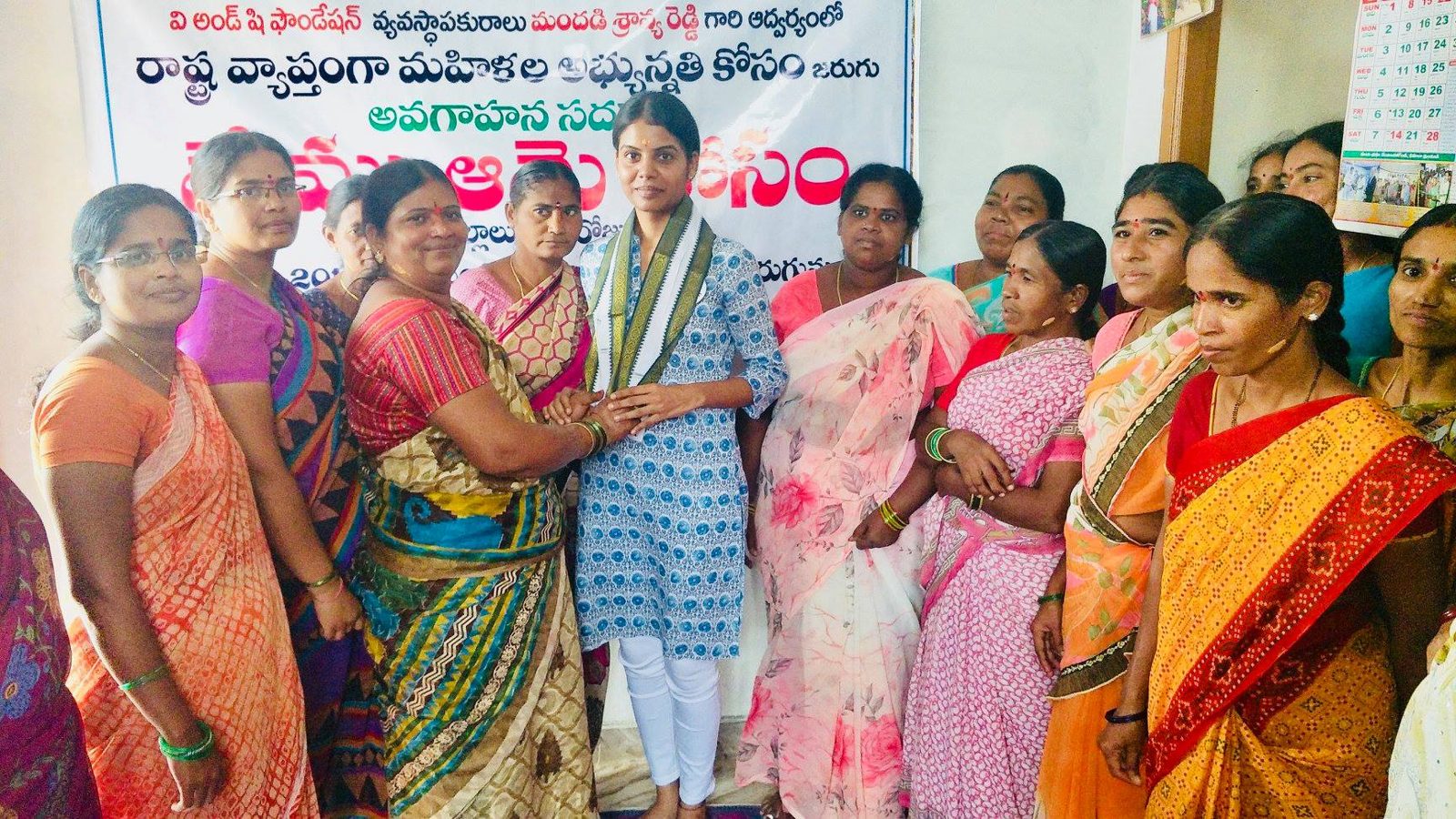
We work with communities that are often overlooked, including beedi workers, fruit vendors, handloom weavers, farm labourers and Jogini women, to understand their challenges and design help around them, from health support to livelihoods and access to government schemes.
- SDG 1: No poverty
- SDG 8: Decent work and economic growth
- SDG 10: Reduced inequalities
Awareness campaigns
Safety, hygiene and rights, for women and girls.
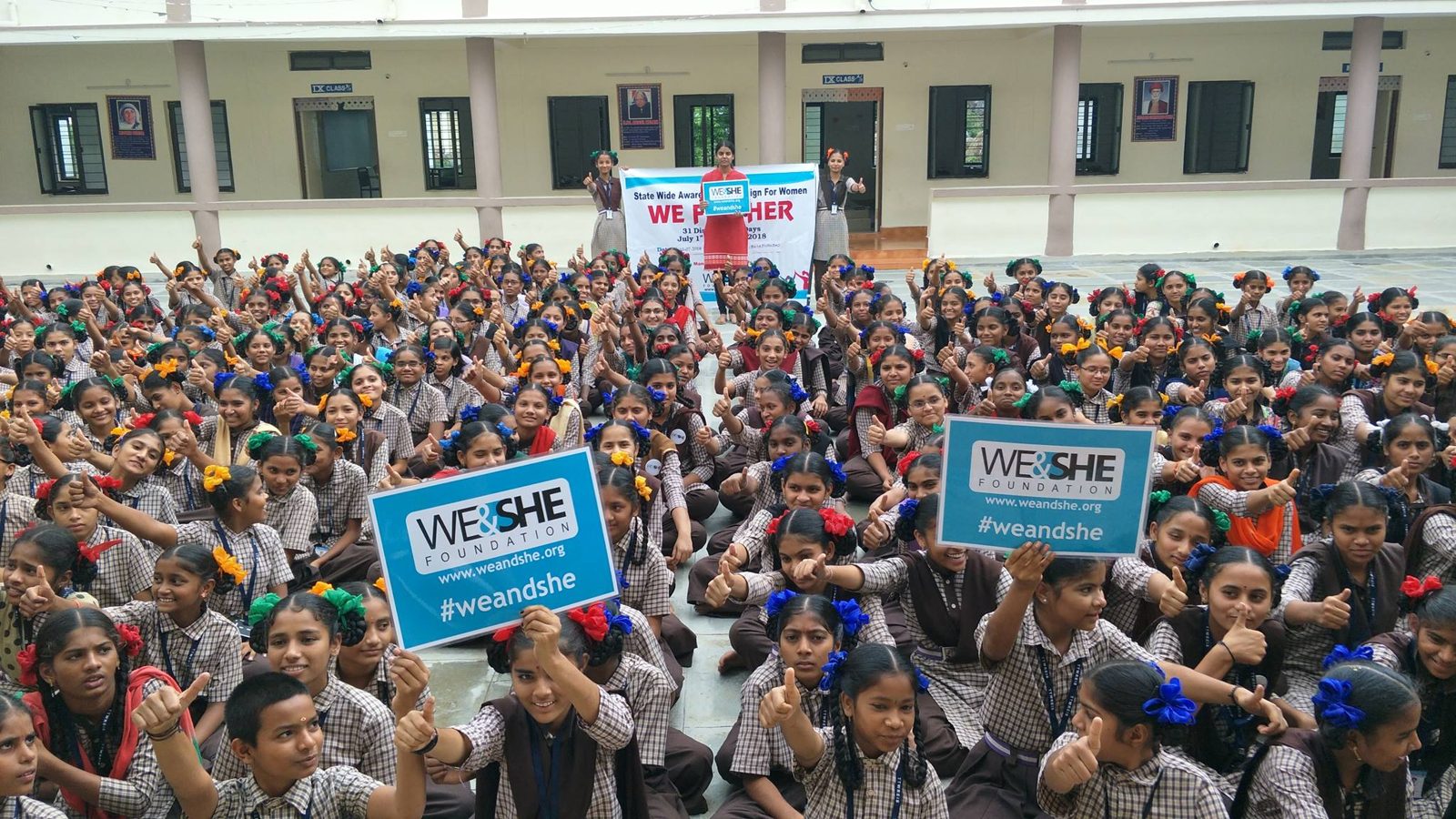
From our 31-district “We for Her” campaign to talks at schools, colleges and welfare hostels, our awareness work has reached more than 50,000 women and girls on safety, menstrual hygiene, education and their rights. We spend time with girls in particular, because keeping them in school is how child marriage, and many broken marriages, are prevented.
- SDG 3: Good health and well-being
- SDG 4: Quality education
- SDG 5: Gender equality
Two flagship efforts
Our first skill centre turns training into steady income. Our 31-district journey turned a question into a method.